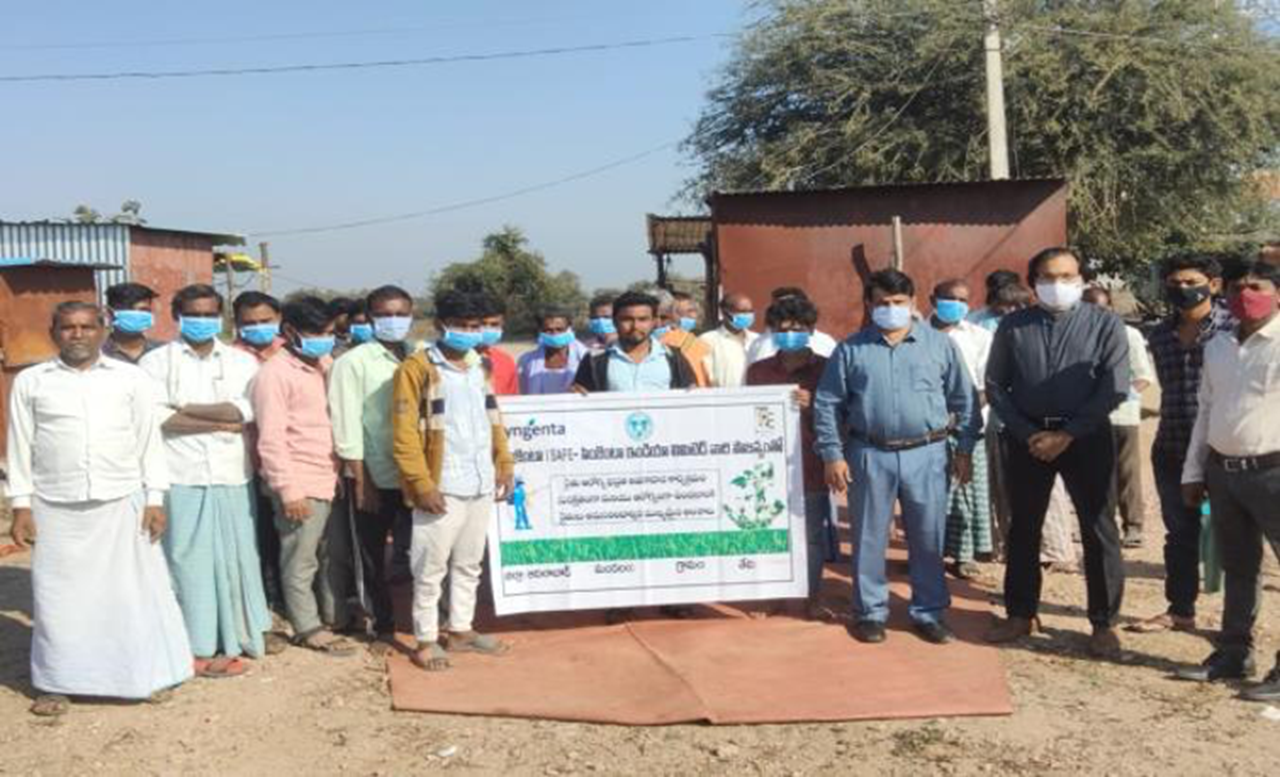
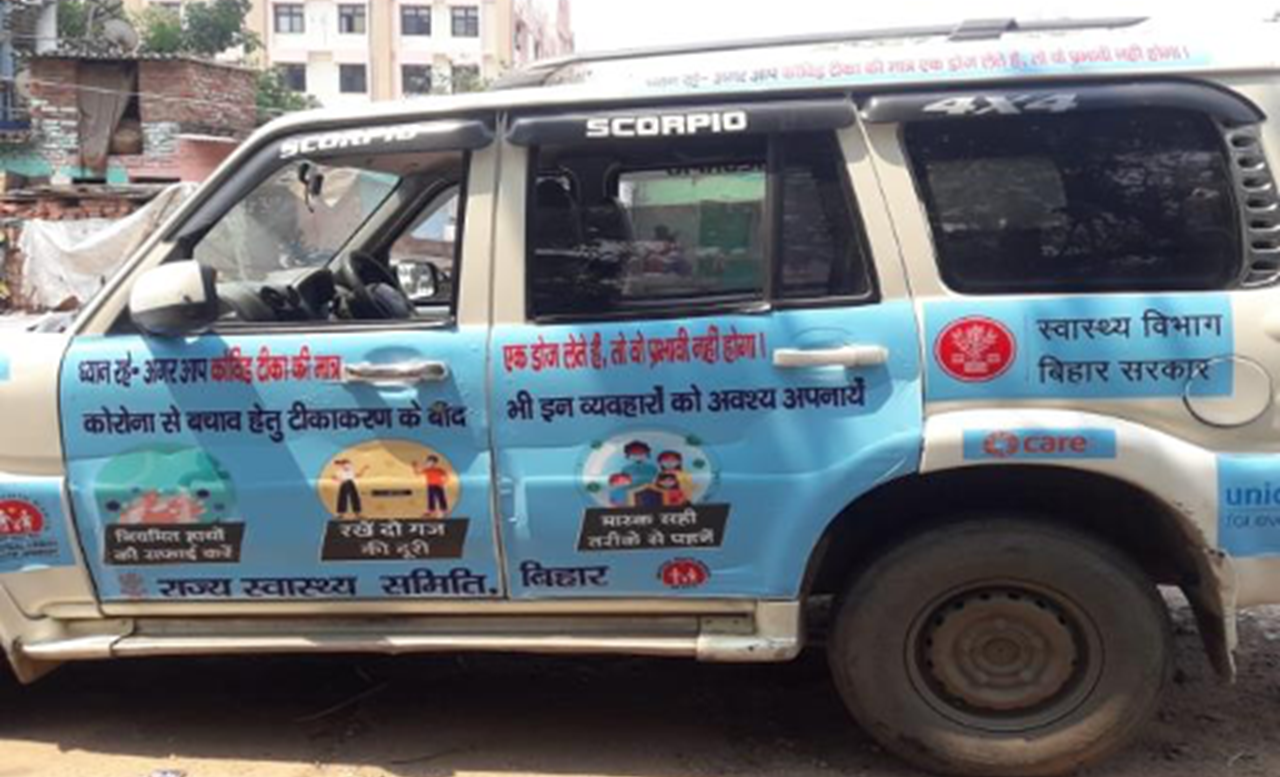
Nidan’s healthcare-related work focuses on community-level health awareness and preventive outreach, particularly among underserved and vulnerable populations. These efforts aim to strengthen understanding of basic health practices, nutrition, hygiene, and overall wellbeing through discussions, awareness sessions, and community mobilisation. Health and nutrition awareness activities are carried out in both rural and semi-urban settings, with a focus on engaging women, caregivers, and community members, while encouraging preventive practices and timely use of existing public health services.
Alongside awareness efforts, Nidan supports local-level health-related outreach activities designed to improve access to information in communities with limited exposure to health messaging. These initiatives include structured awareness drives and engagement activities that emphasise prevention, hygiene, and informed decision-making related to health and nutrition. The approach prioritises sustained community engagement rather than one-time interventions.
In certain locations, Nidan has also been involved in planning and coordination related to strengthening community institutions linked to health and nutrition, such as Anganwadi Centres. These efforts include proposed infrastructure improvements and the planned provision of basic learning and monitoring materials, subject to approvals and ongoing processes, with the aim of supporting existing community-based systems.
Coordination and System Engagement
Healthcare-related initiatives are undertaken in coordination with government departments and local authorities, including health and ICDS functionaries. This engagement supports alignment with existing public systems and schemes and ensures that community-level efforts complement, rather than duplicate, ongoing government programmes.
Through meetings, field-level coordination, and engagement with frontline workers such as ASHA and Anganwadi staff, Nidan works to strengthen linkages between communities and public health systems. This collaborative approach helps reinforce awareness efforts, supports convergence with government initiatives, and contributes to more informed and connected community participation in health and nutrition-related programmes.